Meta ads, landing pages, tracking, and follow-up for established food, drink, and maker brands with a storefront and an online store. Run by one named operator, inside accounts you own.


Production, sourcing, compliance, fulfillment, cash, the team. Marketing gets whatever hour is left, and you still can't tell which part of it is working.
That isn't a discipline problem. It's six jobs with nobody owning the seams between them.
Ad, page, tracking, creative, email, reporting. Break one link and the whole chain reads as "Meta doesn't work for a business like ours."
The complaints we hear from owners like you are remarkably consistent. None of them are about wanting less help. All of them are about how the help was structured.
A retainer that started spending on day one, before anyone checked whether the page or the tracking could carry it. Months later the ads had never paid back, and the fee kept coming.
A PDF every month full of impressions, clicks, and reach. Nothing in it reconciled to what the store actually took in.
The person who understood your business on the sales call was not the person inside the ad account a month later.
Campaigns built inside an agency-owned ad account. When you left, the data, the history, and the audiences stayed with them.
Confidence ran out in month two. The contract ran to month five.
Updates you had to ask for. Ads, creative, and the website with three different owners, each pointing at the other two when a month went flat.
Every term we work under was written against this list. They're further down the page, and they're in the contract.
A tasting room is a system. Someone walks in curious, gets educated, tries the product, leaves with a bottle, and comes back. Most owners have a great tasting room and a website with a Shop button. We build the online version, in this order.
Get your demand auditA craft distillery in Holland, Michigan, selling bourbon and rye online under alcohol category rules, with a checkout on a partner's domain. The closest thing to a stress test this model gets.
In the glass, a nine-year bourbon sells itself. Online, none of that travelled: category rules blocked the product catalog, every ad had to clear a 21+ and ship-state gate, and every purchase completed on a licensed third-party checkout the pixel couldn't see. The brief was purchases and cost per purchase, nothing softer.
So the ads came last. First a landing page per bottle, built for cold traffic and for the age gate. Then purchase tracking through the partner checkout, so Meta could see the sale it created. Then fifteen small angle tests, one of which won: nine years in the barrel at $37.99 against the $80 most nine-year bourbons ask. Spend moved behind it. The rest was cut.
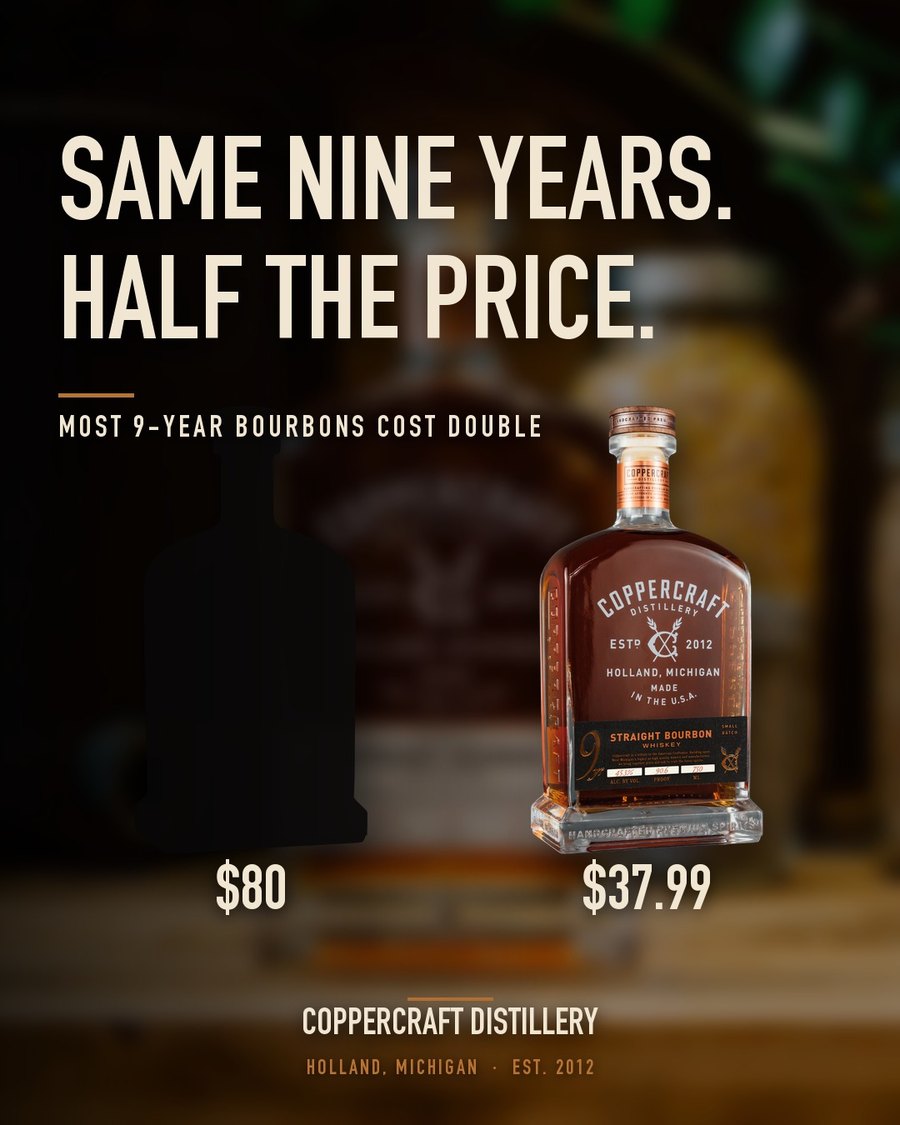
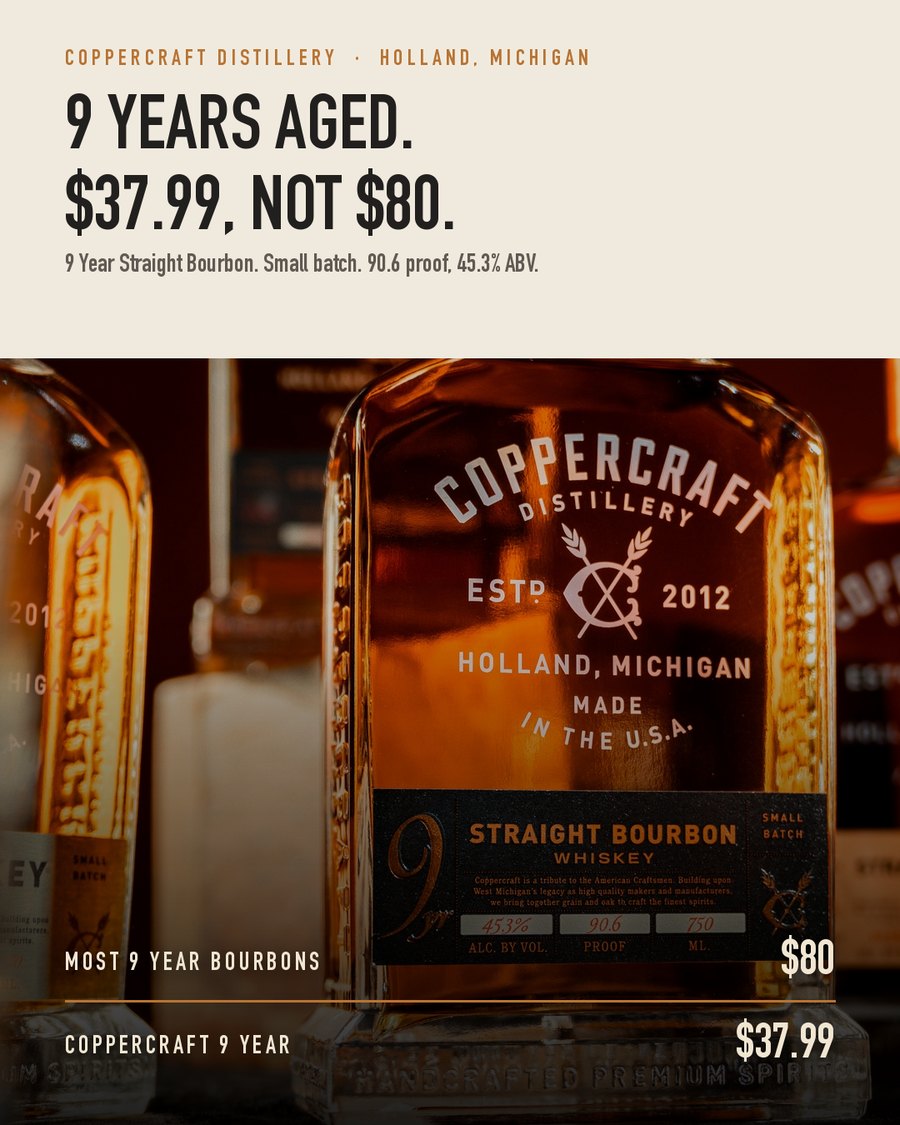
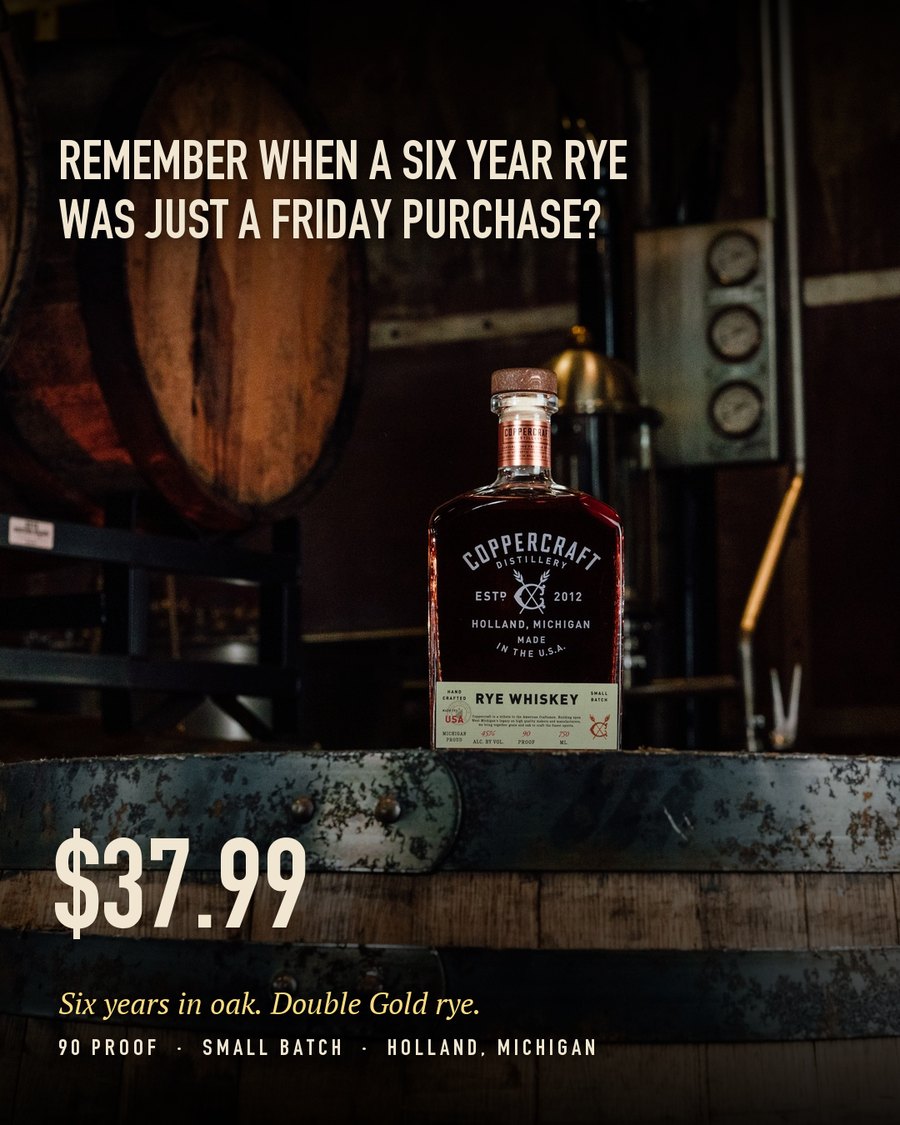
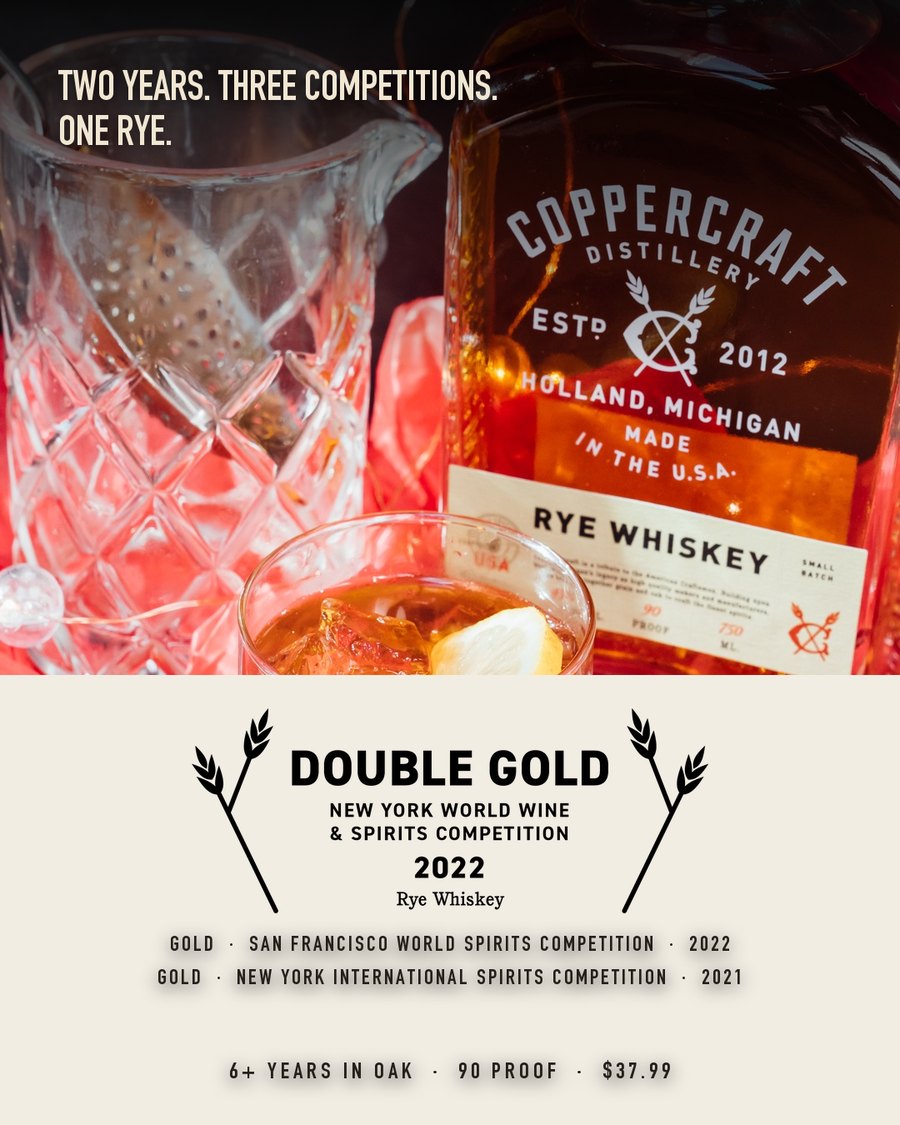


Retargeting, run as one pool, hit a frequency above five and cost more per order than cold traffic. It was restructured and the worst ads were switched off. The winning 9-Year copy, ported onto the Blend, converted nothing, because that buyer's objection is youth, not price. Each bottle now gets its own argument. Both went in the weekly update the week we found them.
Read the full Coppercraft case studyA real product, a local reputation, and a page and tracking that finally let the ads do their job. Every figure comes from an account we run. Ask for the references on the call.
These aren't values on a wall. They're the terms you sign, and each one exists because an owner got burned without it.
Ad account, pixel, audiences, email list, and domain are set up in your name from day one. If we part ways, you remove our access and keep the history.
The person you talk to is the person inside the account. No account-manager layer, no handoff to a junior buyer after the sale.
Every deliverable has an owner and a date. You get a weekly update you don't have to ask for: numbers, what changed, what's next.
If the page, the tracking, or the margin can't carry cold traffic yet, we say so and fix that first. Our fee is not a percentage of your ad spend, so a bigger budget doesn't pay us more.
Budgets move with what you can make, ship, and keep in stock. Spend slows down before your fulfillment does.
Month to month after a 90-day proof period. If the numbers don't hold, you leave without a notice period designed to trap you.
Tracking audit and repair, landing page rebuild, email capture installed, and the first proof-led ad set live. A before-and-after you can read inside 14 days, before you commit to anything ongoing.

Ryan started Echelon working with local trades where the product is physical, the reputation is local, and the owner is the operator: a detailing shop, a coating installer, a barbershop, a coffee roaster. Shine Coat went from $18K to $43K a month. SOLUDE Coffee doubled its daily orders.
Then Coppercraft Distillery, a craft bourbon brand selling online under alcohol category rules with a checkout on a partner's domain. The pattern held. The ads only worked once the page, the tracking, and the follow-up were built around how that business already won customers in person.
Ryan builds and runs the accounts himself. Basile runs organic and content. Nobody gets handed to a junior, because there isn't one.
Send us the store and the ad account. You get back what's leaking, what to fix first, and whether paid acquisition pays back at your numbers. No charge, and no deck.
Get your demand audit


